Community vs institutional schools in Nepal: what's the difference?
Nepal officially splits schools into two kinds. Here is what each word means, who pays, and how the two compare in Pokhara.
Mero Vidyalaya Team · · 1 min read
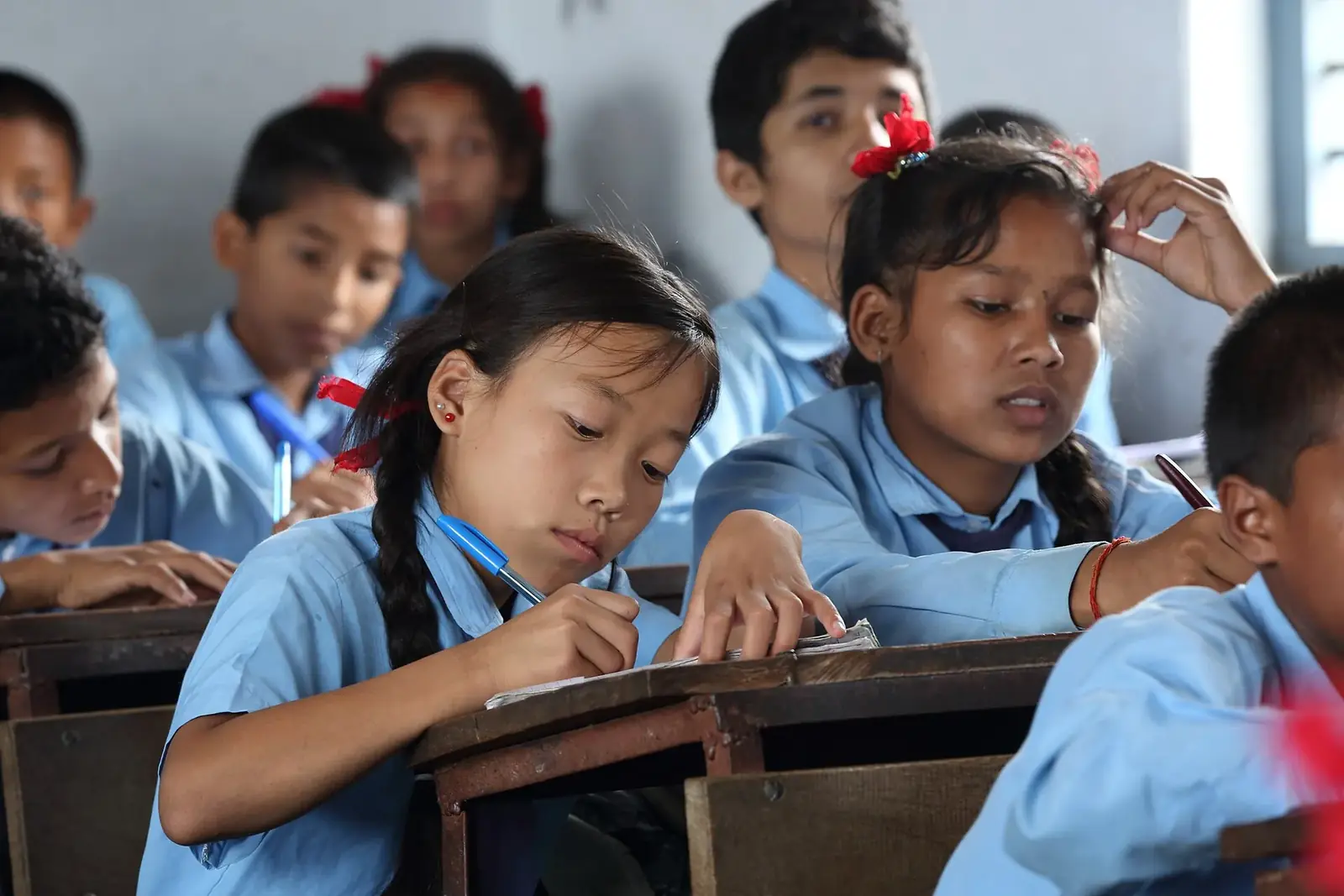
When you look at an official list of schools in Nepal, every school falls into one of two groups: community (सामुदायिक) or institutional (संस्थागत). The words are formal, but the idea is simple.
Community schools
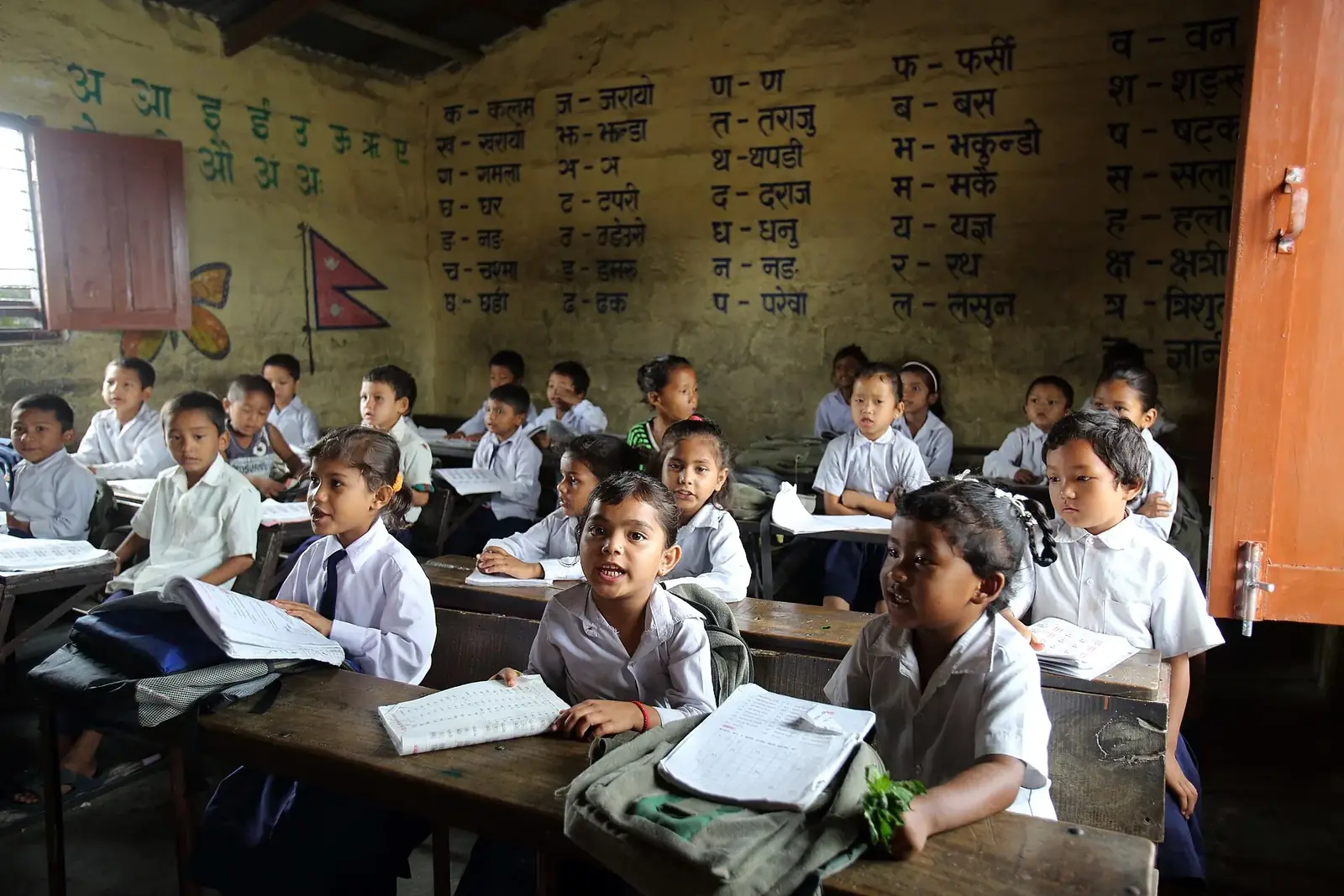
Community schools are public schools that receive government funding. Teachers' salaries and many running costs are paid by the state, and school education up to the secondary level is meant to be free for students.
In Pokhara there are 199 community schools: 121 at the basic level and 78 at the secondary level.
Institutional schools
Institutional schools are privately run, usually as a company or a trust, and are funded mainly by fees. Most of the schools people call "boarding schools" belong to this group, even when they have no boarding hostel at all.
Pokhara has 269 institutional schools: 96 at the basic level (many of them Montessori and pre-schools) and 173 at the secondary level.
Side by side
| Community | Institutional | |
|---|---|---|
| Nepali term | सामुदायिक | संस्थागत |
| Run by | Government, with a local management committee | Private company or trust |
| Fees | Free or minimal | Monthly and yearly fees |
| Common names | "Secondary School", "Basic School" | "Boarding School", "Academy", "Montessori" |
| Schools in Pokhara | 199 | 269 |
Which one is right for you?
It depends on your child, your budget and the specific school: a well-run community school can outperform an expensive private one. Browse community schools and institutional schools in Pokhara, or see both types ward by ward, then visit.